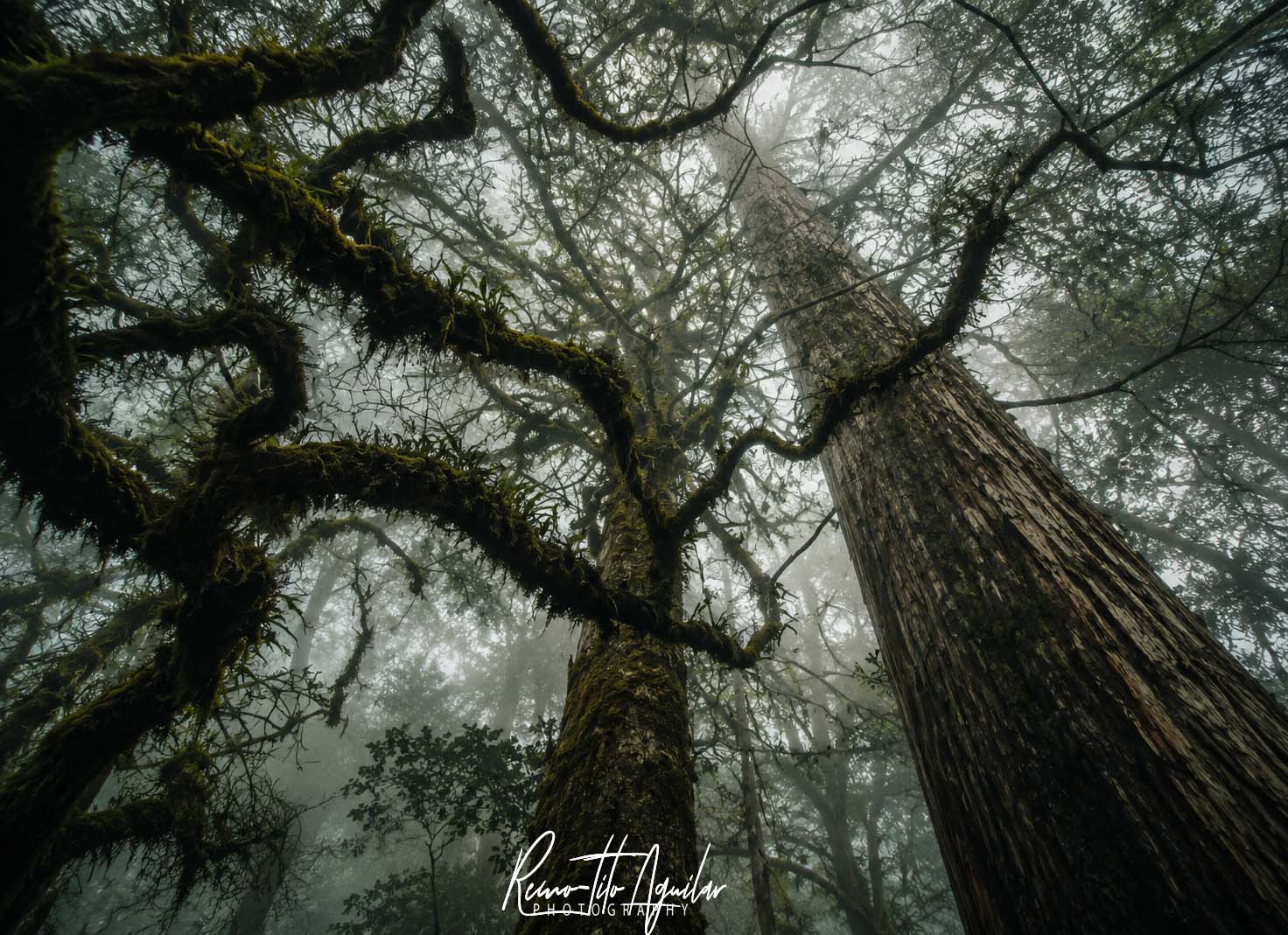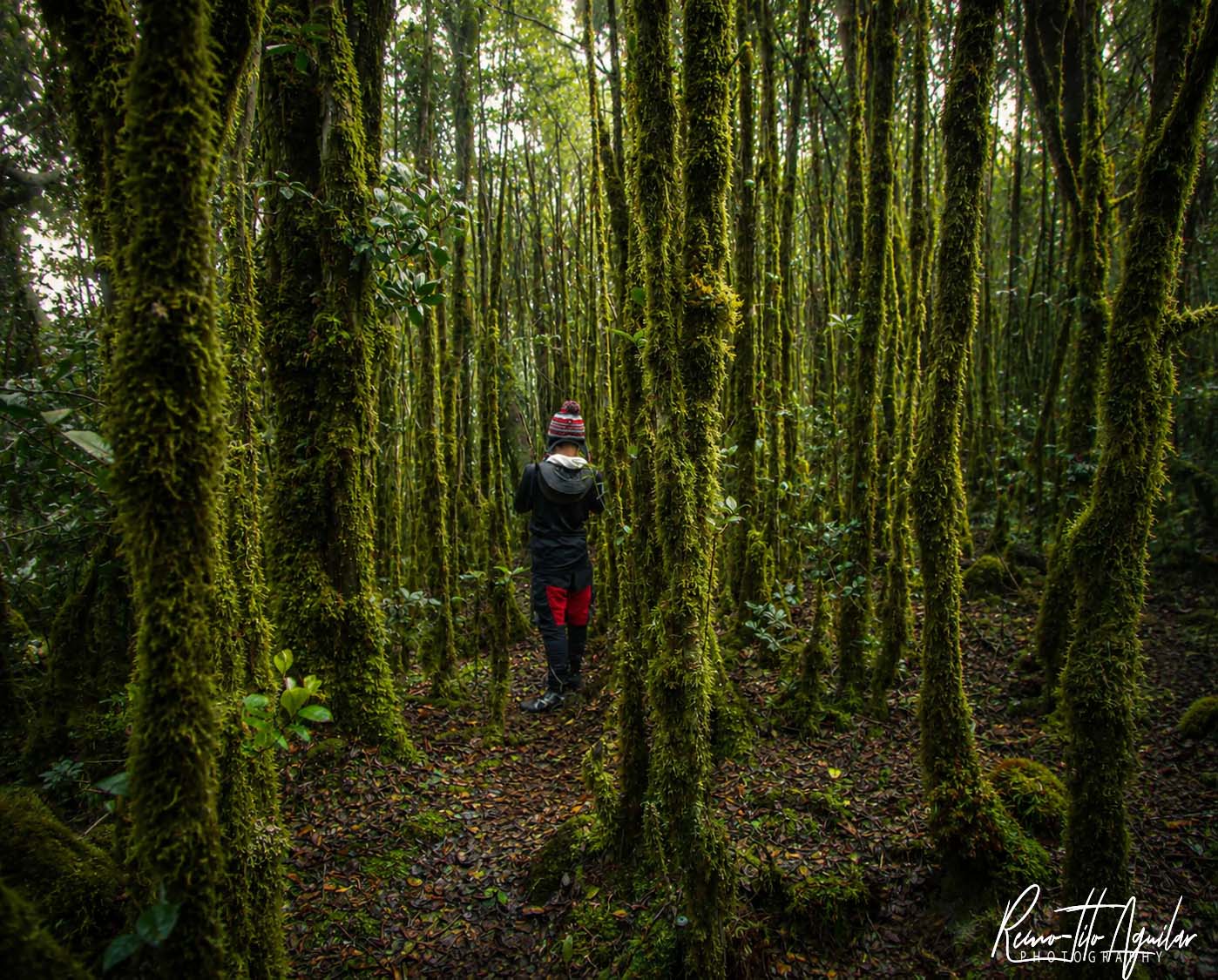
TrailAndFrame is a long-running reflective archive shaped through wilderness, movement, photography, memory, and the evolving practice of attention.
What began years ago as an outdoor blog documenting climbs, road trips, caves, waterfalls, and unfamiliar landscapes gradually became something quieter and more reflective over time.
The deeper subject was never only the mountains or the destinations themselves.
It became the way difficult landscapes sharpen awareness.
The way movement recalibrates thought.
The way photography changes perception.
The way certain places continue to return through memory many years later.
The archive follows an evolving path through:
- wilderness immersion
- contemplative travel
- photography as observation
- embodied movement
- fatigue and restoration
- aging and reinvention
- physician life beyond clinical spaces
Many of the earlier essays were written quickly after hikes, climbs, expeditions, and long drives across Mindanao and other parts of the Philippines. Some remain raw and immediate. Others have been revisited years later with a different understanding of what those experiences were actually teaching.
The writing here is intentionally slow.
There is no attempt to keep pace with modern content cycles, growth systems, or optimization culture. The archive is curated gradually, with attention given more to continuity and resonance than volume.
Photography also evolved slowly within the archive.
At first, it served mainly as documentation. Over time it became a way of noticing more carefully — an extension of attention, memory, and reflection rather than simply image-making.
Professionally, I work within medicine and movement, but TrailAndFrame exists outside institutional language and outside the demands of clinical environments. The archive became one way of understanding how landscapes, physical movement, observation, and solitude influence the way we experience both health and meaning across time.
This is an ongoing body of work rather than a finished project.
Some essays are newly written.
Others are older pieces resurfacing from earlier years with new context and perspective.
Together they form a longitudinal record of movement through landscapes, seasons, memory, fatigue, recovery, and changing ways of seeing.