The recent news of a hiker getting lost in Mt. Kalatungan is unfortunate. Yet for those who have spent time in its forests, it is not entirely surprising.
More than a decade has passed since I climbed Mt. Kalatungan, but I still remember it as one of the most demanding mountains I have ever encountered. Not because of its altitude, but because of its character.
Kalatungan is a mountain that hides itself.
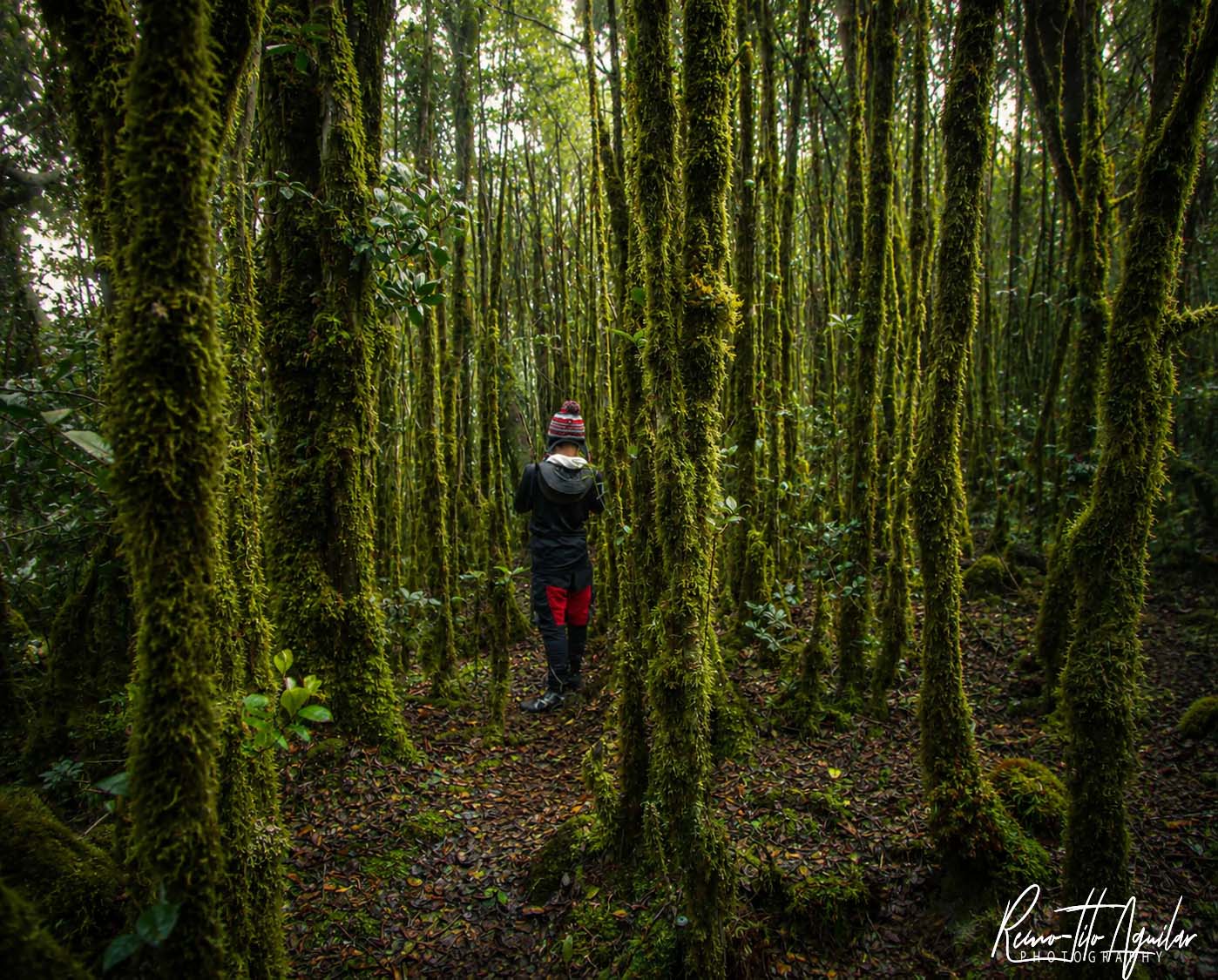
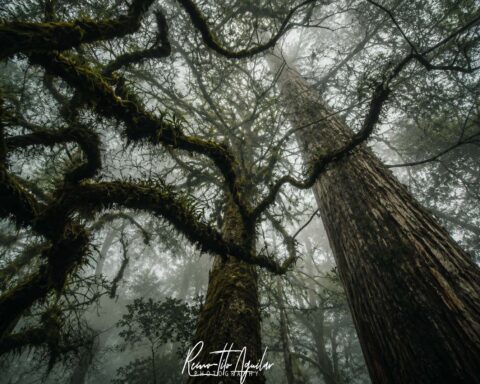
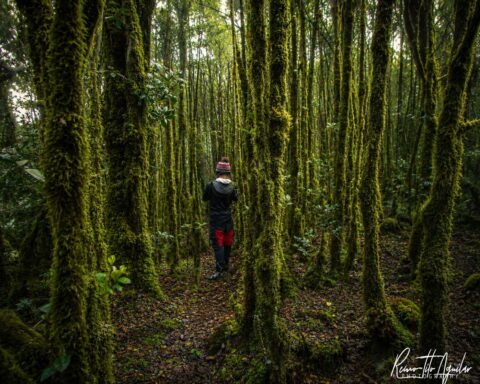
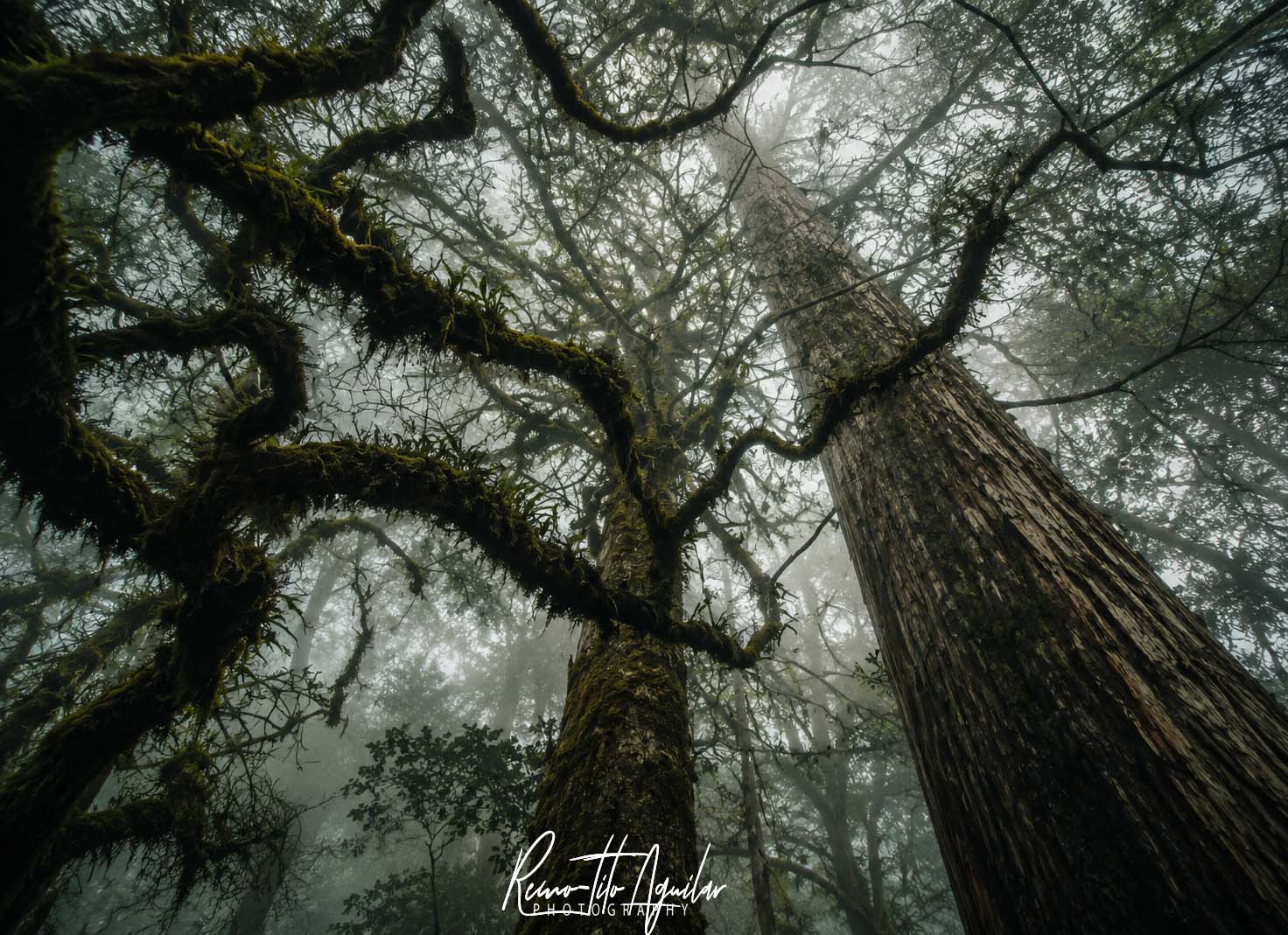
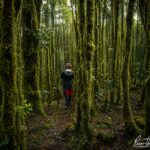
Its vast forests, moss-covered ridges, steep ravines, shifting weather, and dense vegetation can quickly erase the comforting illusion that we are in control. In some places, a companion can be only a few meters away and disappear into the fog. Trails appear and vanish. Distances become difficult to judge. Familiar assumptions no longer apply.
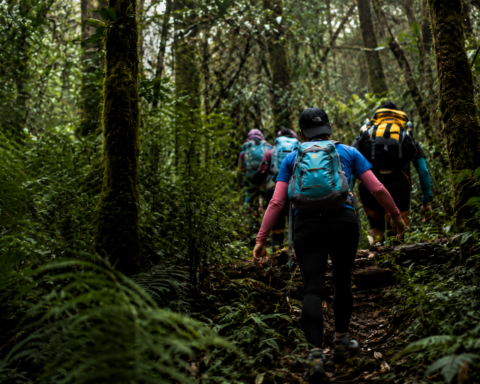
Back in 2013, our climb followed what now feels like an older style of mountaineering. We carried everything ourselves—food, shelter, rain gear, cooking equipment, and emergency supplies. The journey began long before the trailhead.
We secured permits, coordinated with PAMBI, attended orientation sessions, traveled to the local tribal community, met community elders, and participated in traditional rituals seeking permission to enter the mountain. These practices were not mere formalities. They reflected a deeper understanding that mountains such as Kalatungan are not recreational spaces alone. They are living landscapes with histories, cultures, and custodians long before hikers arrived.
One rule guided our entire team:
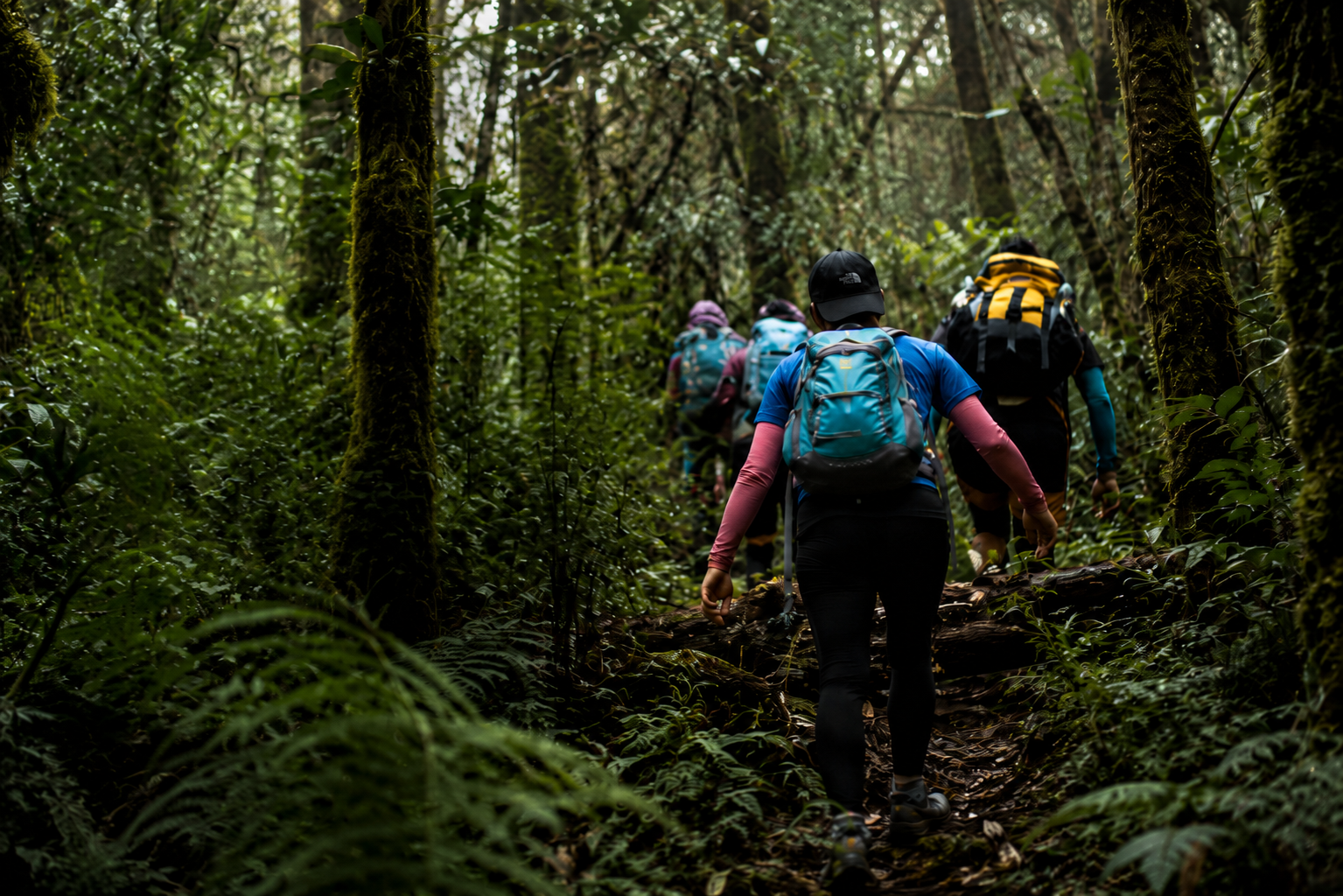
No one gets left behind. No one moves beyond sight of the group.
It sounds simple, but in Kalatungan it can become a survival principle.
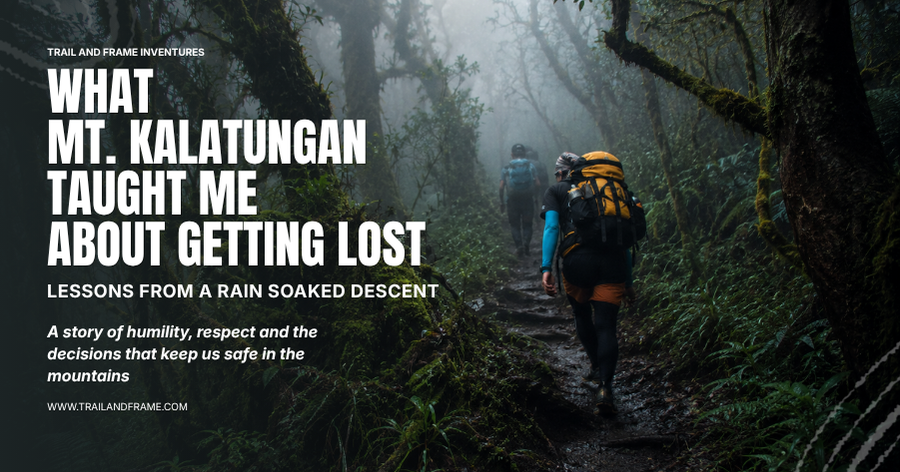
The mountain’s forests are among the densest I have experienced. Fog frequently reduces visibility to only a few meters. Lose sight of the person ahead of you and the correct response is not to push forward—it is to stop and regroup.
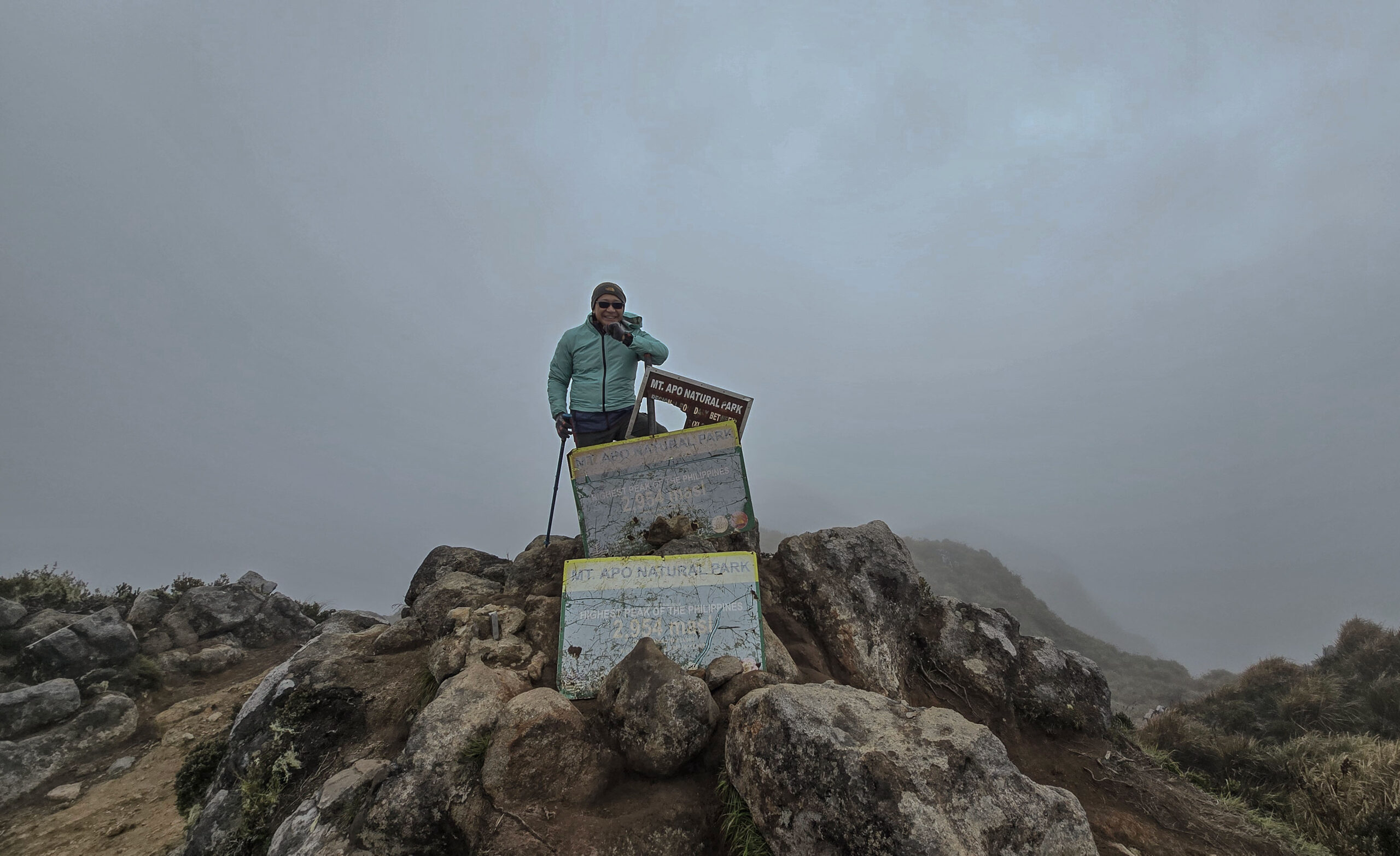
The summit push was memorable, but it was the descent that tested us most.
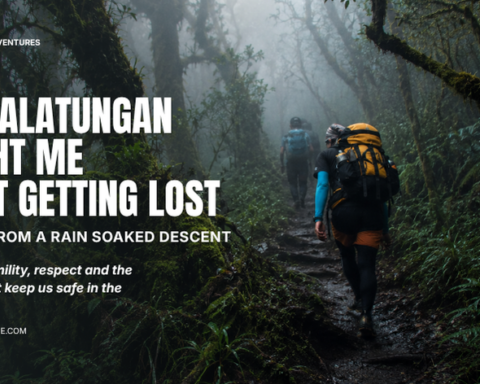
Heavy rain arrived. Trails turned into mud. Strong winds swept across exposed sections of the ridge. Darkness fell. Headlamps illuminated only small circles of wet earth ahead of us. I lost count of the number of times I slipped and fell.
Even when we could already see signs of the community below, the situation remained precarious. The trail was narrow, slick, and unforgiving. The combination of exhaustion, poor visibility, and deteriorating weather created conditions where a minor mistake could quickly become a major incident.
The moment we regained cellphone signal, I asked one of our group members to contact local rescuers and guides. Some might have considered it unnecessary. I considered it prudent.
By the time we neared the community, the rescuers were already on their way up to meet us.
Nothing dramatic happened that night. No one was injured. No rescue operation became necessary. We eventually reached safety tired, soaked, bruised, and grateful.
Looking back, that decision remains one of the most important lessons Kalatungan taught me.
Many people assume that mountain safety is primarily about strength, endurance, or technical skill. Those things matter. But they are often not what prevents accidents.
What prevents accidents is recognizing risk before it becomes danger.
Experience can be a double-edged sword. It can sharpen judgment, but it can also breed complacency. Mountains do not care how many summits you have climbed. They do not care how expensive your gear is or how many years of experience you possess.
Every mountain has its own personality. Kalatungan’s personality is uncertainty.
The lesson I carried home was not that we conquered the mountain. In truth, mountains are never conquered.
The lesson was that respect must always be greater than confidence.
When conditions deteriorate, act early. When something feels wrong, pause and reassess. Stay close to your group. Listen to local guides. Respect indigenous knowledge. And never assume that reaching the summit means the difficult part is over.
In the mountains, good outcomes are often the result of small decisions made before an emergency develops.
Sometimes the most important decision is the one that seems unnecessary at the time.
Only later do you realize it may have made all the difference.